
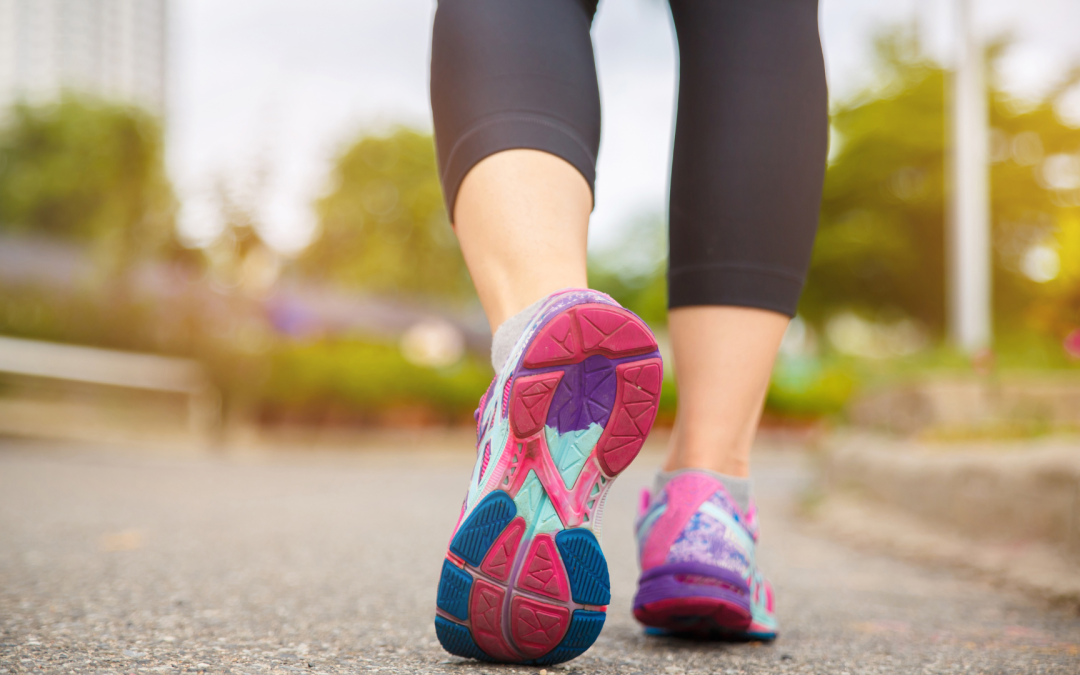
For athletes in the Twin Cities, whether you’re a marathon runner pounding the pavement along the Mississippi, a basketball player leaping on the court, or a weekend warrior hitting the local trails, your feet are your foundation. The shoes you choose aren’t just a fashion statement; they play a critical role in your athletic performance, comfort, and most importantly, and most importantly, athletic footwear for injury prevention. At Twin Cities Foot Doctor, we understand the biomechanics of athletic movement and how the right footwear can be a game-changer.
The Critical Connection: Feet, Footwear, and Athleticism
Your feet absorb significant impact during athletic activities. The right footwear acts as a crucial interface between your feet and the ground, providing cushioning, stability, and support. Conversely, ill-fitting or inappropriate shoes can disrupt your natural biomechanics, leading to decreased performance and an increased susceptibility to a range of foot and ankle injuries.
How Footwear Influences Athletic Performance:
- Energy Efficiency: Properly designed athletic shoes can optimize energy transfer during movement. Features like responsive midsoles can help propel you forward, reducing fatigue and improving endurance. Conversely, overly cushioned or unstable shoes can absorb energy, making you work harder.
- Agility and Speed: The flexibility and responsiveness of your footwear can directly impact your agility and speed. Shoes designed for specific sports often feature outsoles with patterns that enhance traction for quick cuts and changes in direction. A shoe that is too bulky or stiff can hinder your ability to react and move efficiently.
- Balance and Stability: Particularly important in sports requiring lateral movements or single-leg stances, the stability features of your footwear help control excessive pronation or supination, ensuring a solid base for balance and preventing ankle rolling.
The Role of Footwear in Injury Prevention for Athletes:
Choosing the right athletic footwear for injury prevention is paramount for avoiding common sports-related injuries:
- Plantar Fasciitis: Inadequate arch support in footwear can contribute to excessive strain on the plantar fascia, the thick band of tissue on the bottom of your foot, leading to this painful condition. Shoes with good arch support are crucial, especially for runners and those in high-impact sports.
- Achilles Tendinitis: Poor cushioning or excessive heel drop in shoes can place undue stress on the Achilles tendon, increasing the risk of inflammation and pain. Selecting shoes with appropriate cushioning and heel-to-toe drop for your activity is vital.
- Stress Fractures: Repetitive impact, especially in running and jumping sports, can lead to stress fractures in the bones of the foot and lower leg. Proper cushioning and impact absorption in footwear are essential for mitigating this risk.
- Ankle Sprains: Instability in footwear, particularly during lateral movements, can increase the likelihood of ankle sprains. Shoes with good lateral support and a secure fit can help stabilize the ankle joint.
- Metatarsalgia: Pain in the ball of the foot can be exacerbated by shoes with inadequate cushioning in the forefoot or a narrow toe box. Choosing shoes with sufficient cushioning and a wider toe box can help alleviate pressure on the metatarsal heads.
Navigating the Shoe Aisle: Tips for Twin Cities Athletes
Choosing the right athletic footwear can be overwhelming. Here are some key considerations:
- Sport-Specific Design: Shoes are often designed for specific activities. Running shoes differ significantly from basketball shoes or cross-training shoes in terms of cushioning, stability, and traction. Choose shoes tailored to your primary sport.
- Foot Type and Biomechanics: Understanding your arch type (flat, neutral, high) and gait pattern (pronation, supination) is crucial. Specialty running stores often offer gait analysis to help determine the best shoe type for your biomechanics.
- Fit is Paramount: Ensure the shoe fits comfortably in length, width, and depth. There should be about a thumb’s width of space between your longest toe and the end of the shoe. The heel should be snug without slipping.
- Cushioning and Support: The level of cushioning and support you need depends on your activity, training volume, and foot type. Higher impact activities generally require more cushioning.
- Regular Replacement: Athletic shoes lose their cushioning and support over time, even if they don’t look worn out. Replace your shoes regularly based on mileage or time, as recommended by the manufacturer.
Your Performance Partner: Twin Cities Foot Doctor
At Twin Cities Foot Doctor, we don’t just treat foot and ankle injuries; we also believe in proactive strategies for injury prevention and performance enhancement. If you’re a Twin Cities athlete struggling with foot pain or looking to optimize your footwear for better performance and injury prevention, schedule a consultation with our experienced team. We can assess your foot biomechanics, analyze your current footwear, and provide personalized recommendations to help you stay on top of your game.
Don’t let the wrong footwear sideline your athletic pursuits. Contact Twin Cities Foot Doctor today to ensure your foundation is strong and your performance is maximized!